How to Become a Sports Goods Distributor in the UAE — Complete Guide
The UAE sports market is booming. Fuelled by a surging interest in padel, a growing fitness culture, and ambitious government investment in active lifestyles, the demand for quality sports equipment across the Emirates has never been higher. For entrepreneurs and businesses looking to capitalise on this momentum, becoming a sports goods distributor in the UAE represents one of the most promising opportunities in the region’s retail landscape.
But where do you start? This complete guide walks you through every step — from trade licences to brand partnerships, warehousing to wholesale pricing — so you can launch your sports distribution business with confidence.
Why the UAE Sports Distribution Market Is Worth Entering
Before committing to any business, you need to understand the opportunity. Here is why the UAE stands out for sports goods distribution:
- Padel is the fastest-growing sport in the Middle East, with hundreds of new courts opening annually across Dubai, Abu Dhabi, and Sharjah.
- UAE Vision 2031 prioritizes sport and wellness, driving government-backed investment into community sports infrastructure.
- The UAE serves as a logistics hub for the wider GCC, meaning a distribution business in Dubai can reach Saudi Arabia, Kuwait, Qatar, Bahrain, and Oman efficiently.
- A large expat population with high disposable income actively seeks premium international sports brands that may not be widely available locally.
Step 1: Choose Your Business Structure and Licence
To legally distribute sports goods in the UAE, you need the correct trade license. Your two main options are:
- Mainland Licence (via the Department of Economic Development) — allows you to trade directly with UAE-based retailers, supermarkets, and chains without restrictions.
- Free Zone Licence (e.g., Dubai Sports City, JAFZA, or RAKEZ) — suits businesses focused on import/export and international trade. Some free zones offer 100% foreign ownership and zero corporate tax.
For a sports distribution business targeting UAE retailers, a mainland General Trading or Wholesale Licence is typically the most practical choice. Consult a local business setup adviser to determine the best structure for your specific model.
Step 2: Identify the Right Sports Brands to Distribute
Your brand portfolio is your most valuable asset. The key is to identify brands that are in high demand but underserved by existing distributors in the UAE. Look for:
- Padel rackets, shoes, and apparel — a rapidly growing category with enormous retail potential.
- Travel and sports accessories — items that frequent travellers and sports enthusiasts purchase year-round.
- Lifestyle and leisure products — soft toys, outdoor gear, and family activity products targeting UAE’s family-oriented retail segment.
Approach brands directly for exclusive or non-exclusive distribution rights in the UAE or GCC. A well-prepared pitch that includes your business plan, target retail channels, and UAE market knowledge dramatically improves your chances of securing partnerships.
Step 3: Build Your Retail and Wholesale Network
Distribution is only valuable if you have the channels to move stock. In the UAE, focus on building relationships across these key retail segments:
- Sports specialty stores — independent and chain retailers actively looking for exclusive or differentiated products to stand out from hypermarkets.
- Padel clubs and sports facilities — many clubs sell or recommend gear directly to their members, creating a direct B2B channel.
- Hypermarkets and department stores — Carrefour, Spinneys, and Lulu Hypermarket all carry sports goods and can offer significant volume.
- Online marketplaces — Noon and Amazon.ae are growing fast; securing a presence here adds a direct-to-consumer dimension to your wholesale business.
Step 4: Set Up Logistics and Warehousing
Reliable logistics is the backbone of any distribution business. In the UAE, you have excellent options:
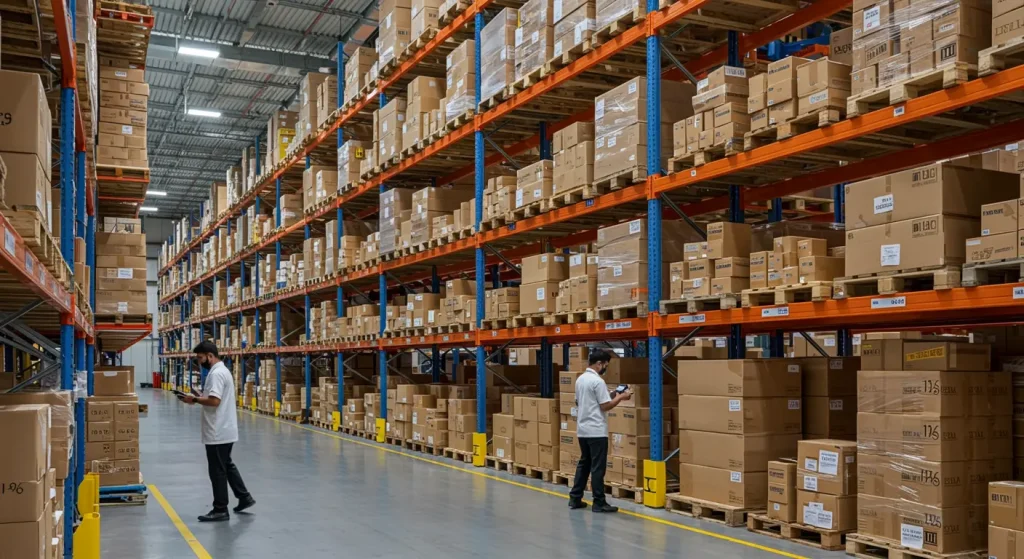
- Warehouse space in Jebel Ali, Al Quoz, or JAFZA gives you central access to road freight across the UAE and GCC.
- Third-party logistics (3PL) providers allow you to outsource warehousing, picking, and delivery, keeping your overheads lean in the early stages.
- Jebel Ali Port and Dubai International Airport make international import and re-export straightforward, particularly for brands shipped from Europe or Asia.
Common Mistakes to Avoid as a New Distributor
- Taking on too many brands too soon — focus on 2 or 3 brands and build deep market penetration before expanding.
- Neglecting after-sales support — UAE retailers expect warranty handling and product support; without it, reorders dry up fast.
Underestimating import costs — factor in customs duty (varies by HS code), shipping, and port handling fees before finalising your pricing